Kerala: A Culinary Journey
Kerala, often called “God’s Own Country”, is as famous for its landscapes and backwaters as it is for its rich and diverse food culture. The state’s cuisine is a vibrant blend of spices, fresh coconut, seafood, rice and plantains, shaped by history, geography and a legacy of trade with Arab, Chinese and European merchants. For a tourist, Kerala offers not just meals but immersive culinary experiences — from a traditional Onam Sadya to a backwater fish feast.
Why Kerala’s Food Matters to Tourists
Food in Kerala is a gateway to understanding its people, festivals and regional variations. Culinary tourism here can include market visits, village cooking classes, toddy-shop evenings, tea-plantation stays and festival feasts — all offering authentic cultural connections.
Highlights for food-focused travelers:
- Fresh, local ingredients: coconut, rice, spices, seafood and indigenous vegetables.
- Regional variety: Malabar, Travancore and Kochi cuisines each have distinct flavors and techniques.
- Unique experiences: Sadya on banana leaf, backwater fish meals, toddy tasting, spice plantation tours.
Core Elements of Kerala Cuisine
Kerala food revolves around a few fundamental elements that shape its distinctive taste.
Main staples
- Rice: steamed rice and rice-based items (idiyappam, appam, puttu).
- Coconut: grated, milk and oil feature in curries, sweets and snacks.
- Spices: black pepper, cardamom, cloves, cinnamon and chillies — Kerala was central to the spice trade.
- Seafood and meat: fish, prawns, crab, chicken and mutton; beef is popular in many areas.
Must-Try Dishes
These are essential for any food-lover visiting Kerala.
Traditional and signature dishes
- Sadya: A grand vegetarian feast served on a banana leaf, especially during Onam. Includes rice, sambar, avial, thoran, olan, pachadi, pickles and multiple payasams (desserts).
- Appam and Stew: Soft, lacy rice pancakes paired with a mildly spiced coconut milk stew with vegetables or meat.
- Puttu and Kadala Curry: Steamed cylindrical rice cake with spicy black chickpea curry — a classic breakfast.
- Meen Curry (Kerala Fish Curry): Tangy, tamarind or kokum-based curry cooked with coconut and spices, often with seer fish or kingfish.
- Meen Pollichathu: Fish marinated in spices, wrapped in banana leaf and pan-roasted — aromatic and smoky.
- Karimeen Pollichathu: Pearl spot fish prepared Malabar-style, a Kochi specialty.
- Beef Fry (Kerala Style): Spicy, coconut-fried beef often served with parotta.
- Prawn or Crab Roast: Rich, dry-style seafood preparations with roasted coconut masala.
- Banana Chips and Sharkkara Varatti: Crispy plantain chips, both salted and jaggery-coated sweet versions.
- Payasam: Rice, vermicelli or lentil-based sweet puddings flavored with jaggery, cardamom and ghee.
Regional Variations
Kerala’s cuisine is not uniform; it varies by region, coastal/inland location and community tradition.
Malabar (North Kerala)
- Influences from Arab and Mughal traders — rich biryanis, sweet-savory snacks and spiced fish curries.
- Famous dishes: Kuzhi Paniyaram, Malabar biryani, Pathiri (rice crepe).
Central Kerala (Cochin/Kochi)
- Cosmopolitan flavors from centuries of trade and colonial presence — seafood, beef and Christian community specialties.
- Try: Karimeen Pollichathu, various fish curries and bakery items influenced by Portuguese/Dutch.
Travancore (South Kerala)
- More coconut-forward, milder curries, and elaborate vegetarian Sadya traditions.
- Try: Avial, olan, and traditional vegetarian feasts.
Street Food and Snacks
Kerala offers tasty, affordable street eats suitable for exploring on foot.
- Vada and Uzhunnu Vada: Deep-fried lentil donuts often with chutney.
- Banana Fritters (Pazham Pori): Ripe plantains dipped in batter and fried.
- Kallummakkaya (Mussels) Fry: Popular in coastal stalls and small restaurants.
- Chatti Pathiri: Layered pastry from Malabar, served sweet or savory.
Beverages: From Toddy to Tea
Kerala’s beverage culture ranges from local toddy to world-class tea estates.
- Toddy: Fermented palm sap served at toddy shops — experience local drinking culture but be cautious about hygiene and legal restrictions in some areas.
- Tea and Coffee: Munnar and Wayanad tea gardens offer tastings and plantation tours; local filter coffee is widely consumed.
- King Coconut: Natural electrolyte drink sold at roadside stalls — refreshing in tropical heat.
Food Experiences for Tourists
Kerala has many ways for travelers to engage directly with food culture.
Cooking classes and home-stays
- Learn to cook local dishes in village homes or cooking schools — ideal to understand techniques like grinding masalas and using coconut.
- Home-stays provide authentic meals and the chance to eat with families.
Spice and tea plantation tours
- Visit spice gardens in Thekkady and Wayanad to see black pepper, cardamom and cinnamon growing.
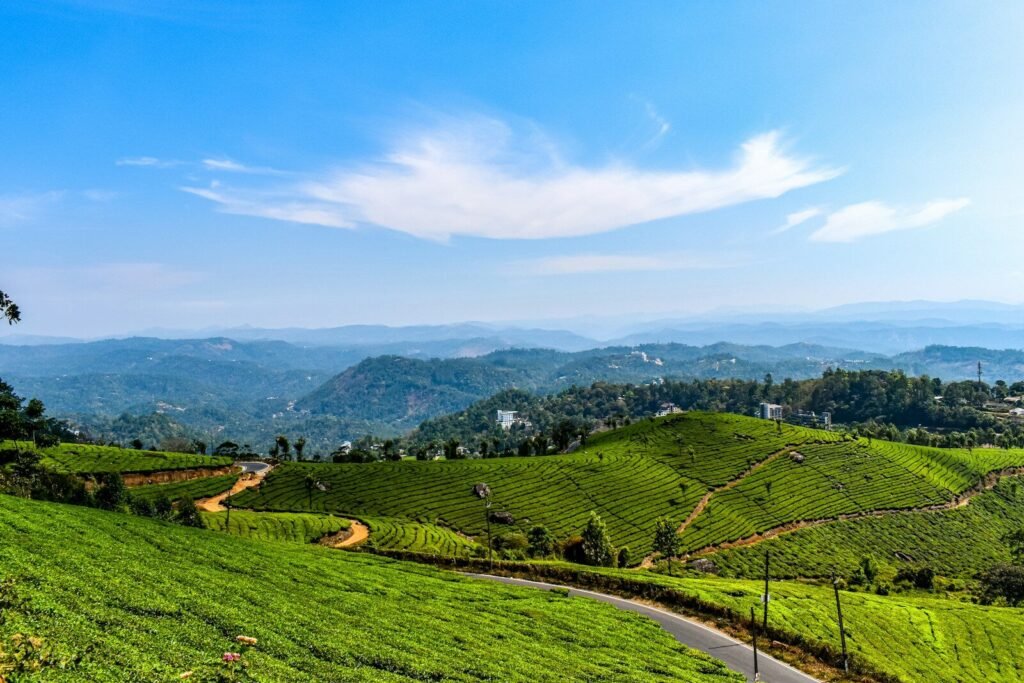
- Tea estates in Munnar offer factory tours and tastings — excellent for photography and learning processing steps.
Backwater dining and houseboat meals
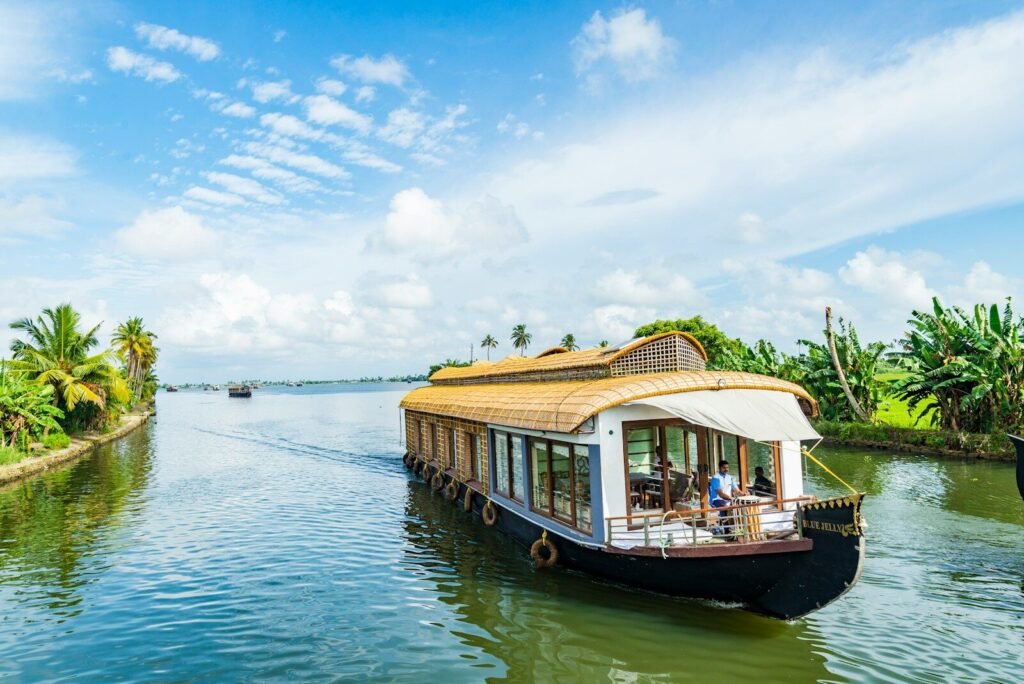
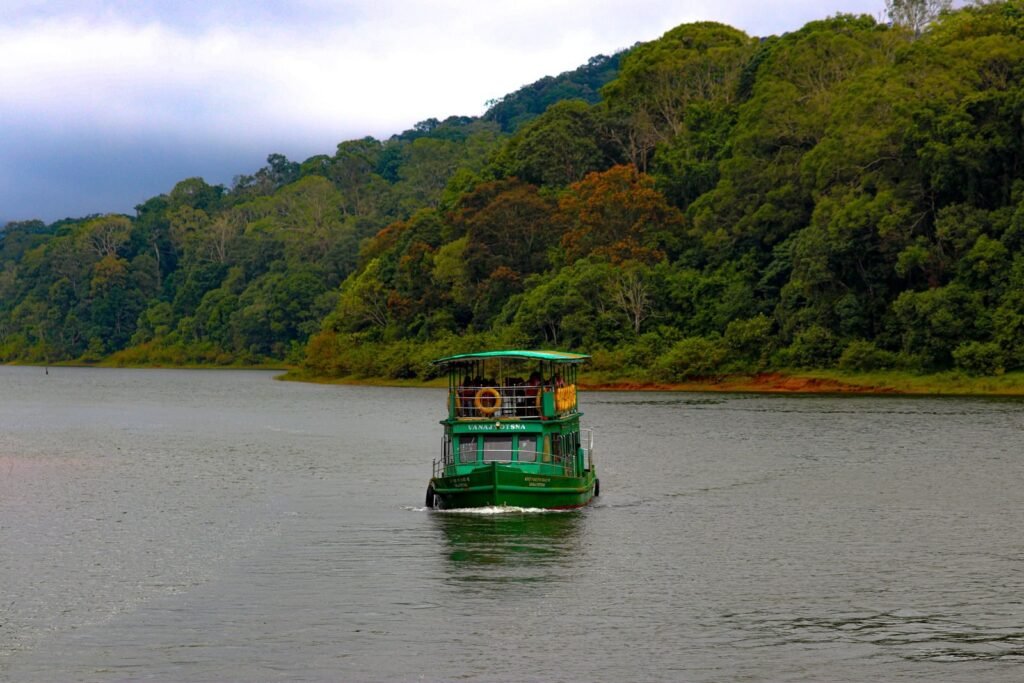
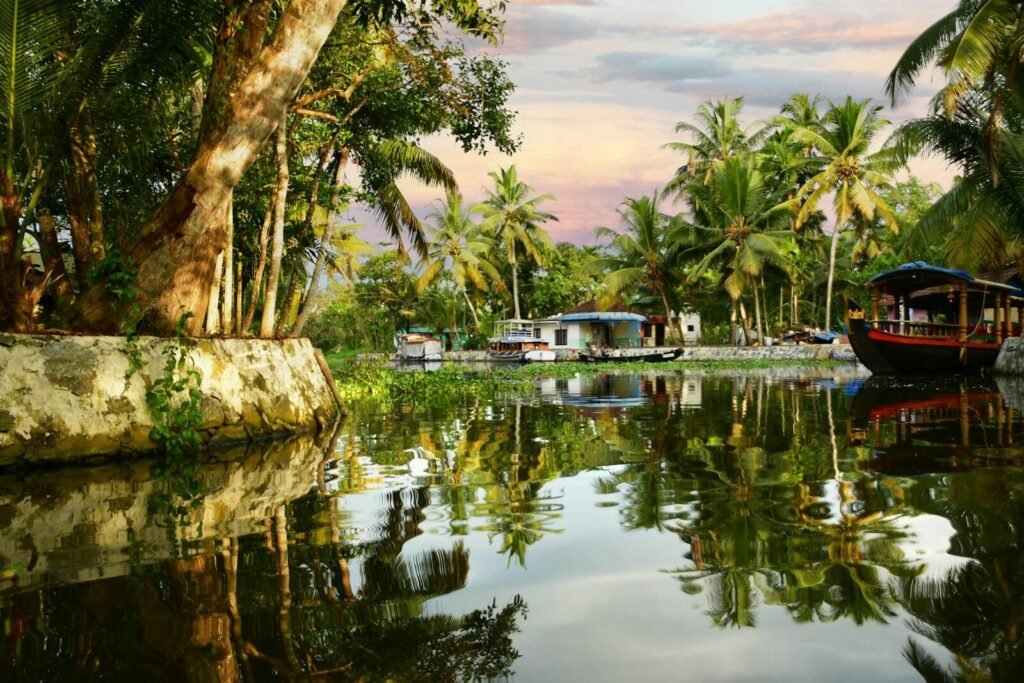
- Houseboats on Alleppey and Kumarakom serve freshly prepared seafood and vegetarian meals — a unique way to dine surrounded by waterways.
Food Festivals and Events
Certain times and places amplify Kerala’s culinary offerings.
- Onam: The Onam Sadya is an elaborate multi-course feast, best experienced in homes, temples or special restaurant events.
- Harvest and temple festivals: Many local fairs serve temple prasadam and festive specialties.
- Food festivals in Kochi and Thiruvananthapuram: Showcasing chefs, local produce and fusion experiments.
Responsible and Safe Eating Tips
To enjoy Kerala cuisine safely and respectfully:
- Hygiene: Choose busy, well-reviewed restaurants or stalls with quick turnover. Avoid uncooked salads from unsure sources.
- Allergies and dietary needs: Communicate preferences clearly. Many dishes use coconut, peanuts and seafood. Vegetarian options are abundant.
- Toddy caution: While authentic, toddy can cause stomach upset if not fresh; drink only at reputable shops.
- Environmental care: Support establishments using sustainable seafood and local produce; avoid plastic waste.
Where to Eat — Regional Recommendations
Some trusted places/areas by experience rather than specific restaurant endorsements:
- Kochi (Fort Kochi & Marine Drive): Seafood restaurants, bakeries, and fusion cafes.
- Kozhikode/Calicut: Malabar biryani, pathiri and street food scenes.
- Alleppey and Kottayam: Backwater houseboats and freshwater fish preparations.
- Munnar & Wayanad: Tea-bakery combos, mountain-grown produce and cool-climate dishes.
- Thiruvananthapuram: Traditional Sadya restaurants and coastal seafood offerings.
Sample 3-Day Food-Focused Itinerary
A short plan to sample Kerala’s culinary breadth.
Day 1 — Kochi
- Morning: Explore Fort Kochi, try local bakeries and Karimeen Pollichathu for lunch.
- Afternoon: Visit spice shops and the Jewish Market.
- Evening: Seafood dinner by the waterfront; try toddy at a reputable shop.
Day 2 — Alleppey/Backwaters
- Morning: Board a houseboat; fresh breakfast with appam/puttu.
- Afternoon: Freshwater prawn or fish curry on board; village visit for toddy tapping demo.
- Evening: Traditional Kerala dinner served on banana leaf.
Day 3 — Munnar (or Thekkady)
- Morning: Tea plantation tour and sampling; enjoy local bakery items.
- Afternoon: Spice garden visit (Thekkady) and a cooking class focusing on masalas and coconut-based dishes.
Practical Tips for Food Tourists
- Best times to visit: November–February for pleasant weather and festival seasons; Onam (usually August–September) for Sadya experiences.
- Budgeting: Street food and small restaurants are affordable; fine dining and curated experiences cost more.
- Language: Malayalam names are common but most servers understand English in tourist areas.
- Eating etiquette: Eating with the right hand, using banana leaves during Sadya, and removing shoes where required show respect.
Conclusion
Kerala’s food scene is an essential part of its tourism appeal. Whether you’re chasing the fiery tang of a coastal fish curry, the comfort of puttu and kadala, the communal joy of an Onam Sadya, or the aroma of freshly plucked tea in Munnar, Kerala invites visitors to taste its history and hospitality. Plan a mix of market walks, home-stay meals, cooking classes and restaurant visits to get the fullest culinary experience.
Further resources
- Look for local cookery schools in Kochi, Alleppey and Thekkady.
- Check current food festivals and Onam dates before travel.
- Use recent reviews and local recommendations for the safest and most authentic places to eat.