Kerala: An Introduction
Kerala, often called “God’s Own Country,” is a state on the southwestern Malabar Coast of India. Its history is rich and layered—from early maritime trade and indigenous kingdoms to colonial encounters and modern social reforms. Today Kerala is also a global tourism destination renowned for its backwaters, hill stations, spice-scented towns, Ayurveda traditions, festivals and living cultural forms.
Historical Overview of Kerala
Ancient and Early Medieval Periods
Kerala’s recorded history begins in antiquity with references in Greco-Roman sources, Sangam literature and indigenous Tamil-Brahmi inscriptions. It developed as a maritime and agrarian region where spice trade—especially pepper—connected the Malabar coast with the Roman world, the Arabian Peninsula and later Southeast Asia.
Key features
- Trade links: Ports like Muziris (near modern Kodungallur) were crucial nodes in Indo-Roman and Indian Ocean commerce.
- Local polities: Small kingdoms and chieftaincies—such as the Cheras—controlled different stretches of coast and interior, often organized around temple and agrarian economies.
- Cultural synthesis: Jewish, Christian (St. Thomas Christians), Arab, and later Chinese merchant contacts contributed to Kerala’s plural society.
Medieval Period (12th–16th centuries)
During the medieval centuries, powerful regional centers—often tied to temple networks and feudal landholding—flourished. The arrival of Arab traders had already introduced Islam; later, the Portuguese arrival in the late 15th century began a new chapter in Kerala’s external relations.
Notable developments
- Spice economy: Pepper, cardamom, cinnamon and other spices maintained Kerala’s centrality in global trade.
- Maritime culture: Shipbuilding and navigation traditions persisted along the Malabar coast.
- Religious diversity: Longstanding presence of Hindus, Jews, Christians and Muslims shaped society and culture.
Colonial Encounters: Portuguese, Dutch, British
The arrival of Vasco da Gama (1498) marked the beginning of European colonial involvement. The Portuguese attempted to monopolize spice trade, followed by the Dutch and then the British. Colonialism reconfigured political power, land systems, trade patterns and social structures.
Important consequences
- Fortified towns: Fort Kochi, St. Francis Church and other colonial-era structures remain visible.
- Princes and princely states: Travancore, Cochin and Malabar (under British Madras Presidency) emerged as distinct administrative entities.
- Economic change: Plantation agriculture (tea, coffee, rubber) gained prominence in the high ranges; cash-crop dynamics altered local economies.
Modern Kerala (20th century to present)
Kerala’s modern history is notable for social reform movements, high literacy, progressive public health measures and political mobilization (including strong communist and socialist movements). In 1956, the modern state of Kerala was formed on linguistic lines.
Highlights
- Social reforms: Movements against caste discrimination, matrilineal reforms and temple-entry reforms were significant.
- Development model: High human development indicators—literacy, life expectancy and low infant mortality—drew academic and policy interest as the “Kerala model.”
- Migration: Large-scale migration to the Gulf from the 1970s onward reshaped Kerala’s economy and society through remittances.
Kerala in the Context of Tourism
Kerala’s blend of natural beauty, rich cultural forms and historical sites makes it a versatile tourism destination. The state promotes sustainable and community-based tourism alongside conventional leisure travel.
Main Tourism Attractions
Backwaters and Houseboats
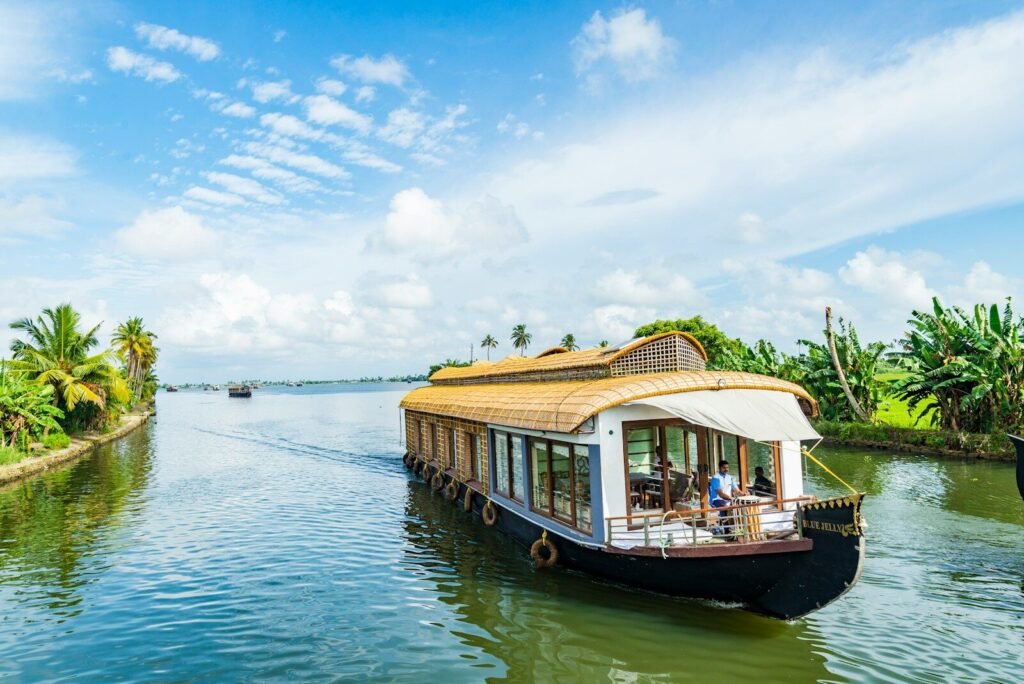
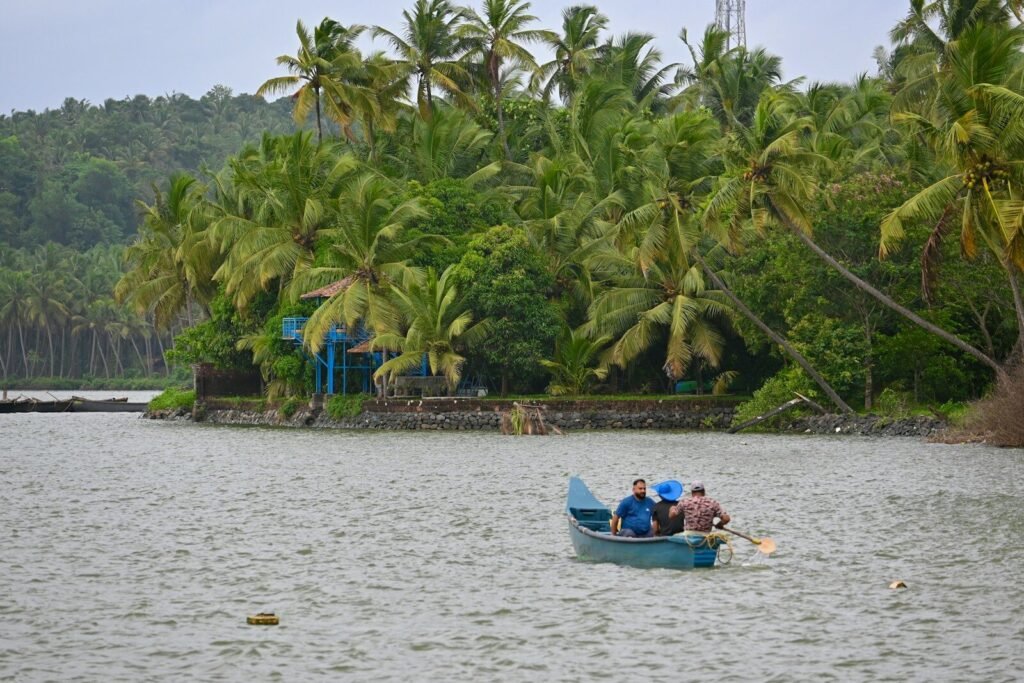
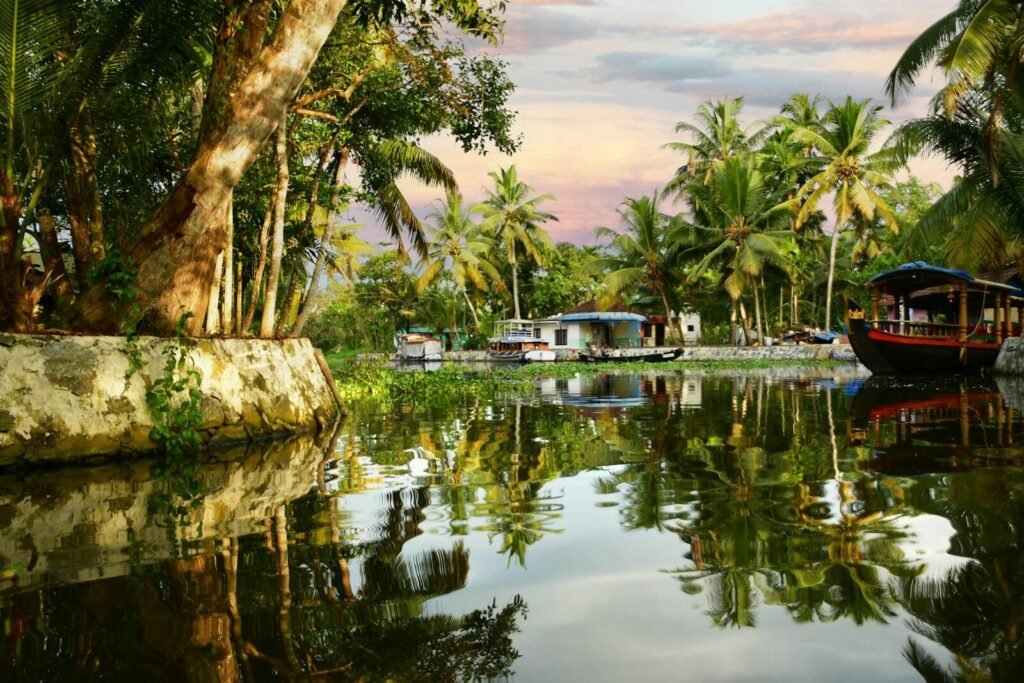
The Vembanad Lake, Alleppey (Alappuzha) and Kumarakom form the heart of Kerala’s backwater tourism. Houseboat cruises on interconnected canals, lakes and lagoons are iconic experiences that combine scenery with local cuisine and hospitality.
Beaches and Coastal Towns
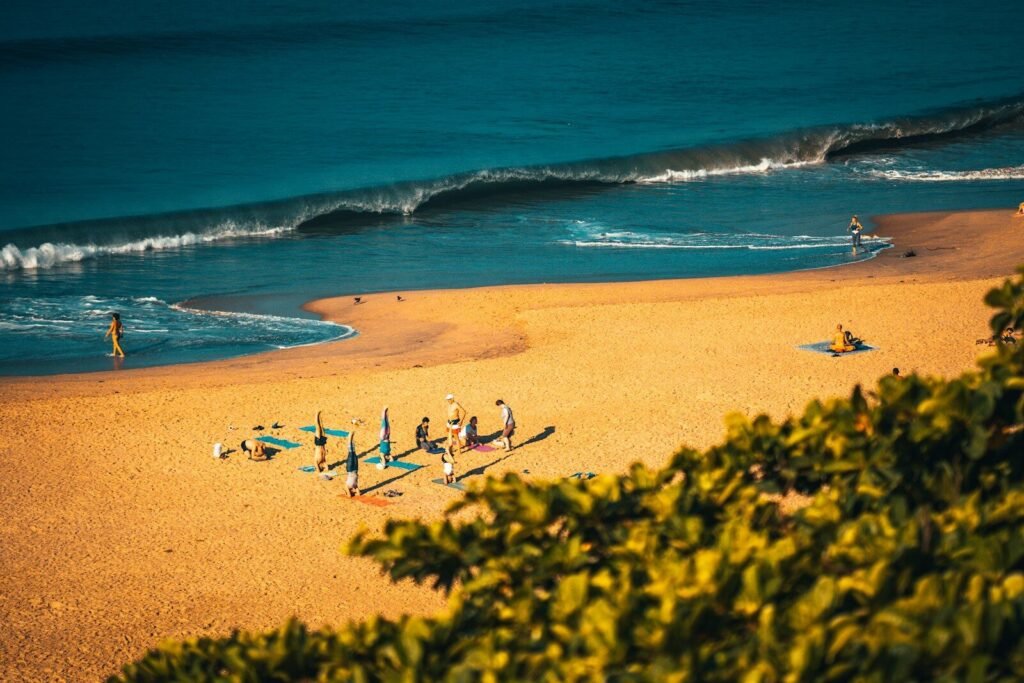
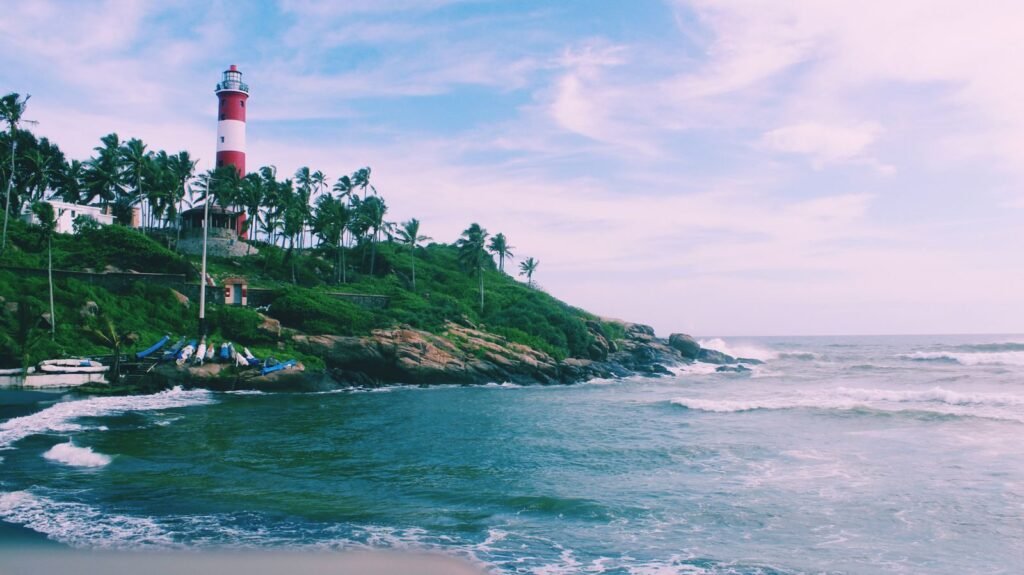
- Kovalam: Popular beach resort since the 20th century hippie trails.
- Varkala: Cliff-side beach with historic temples and relaxed atmosphere.
- Bekal: Fort Bekal offers a mix of beach and historical fort architecture.
Hill Stations and Western Ghats
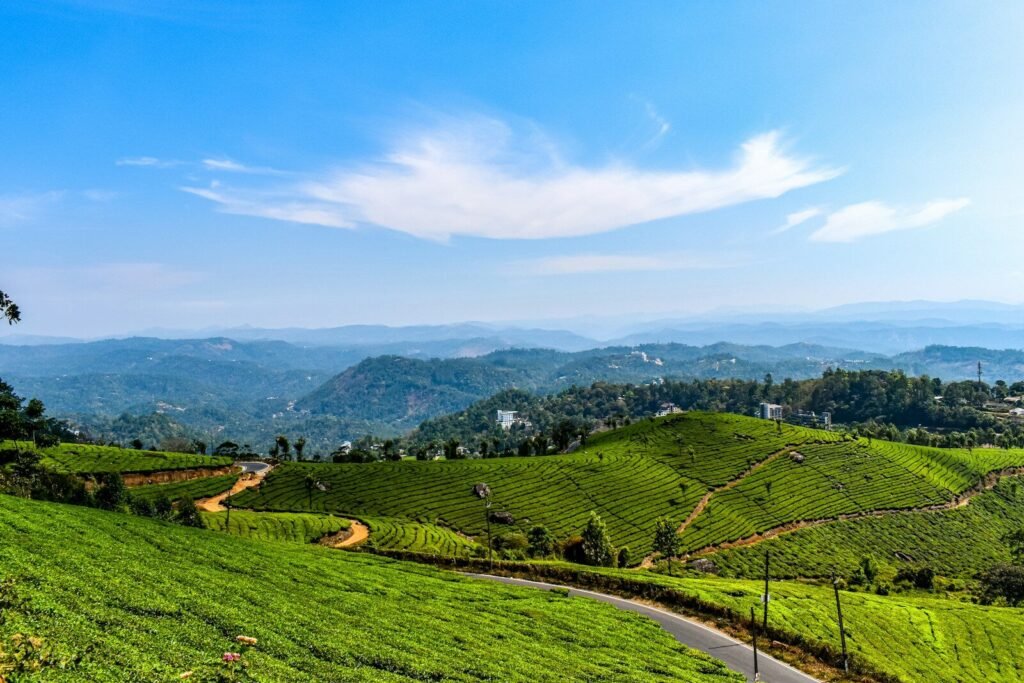
Munnar, Wayanad, Thekkady and Vagamon are high-elevation spots known for tea plantations, shola forests, misty landscapes and biodiversity. The Western Ghats are a UNESCO World Heritage biodiversity hotspot.
Wildlife and National Parks
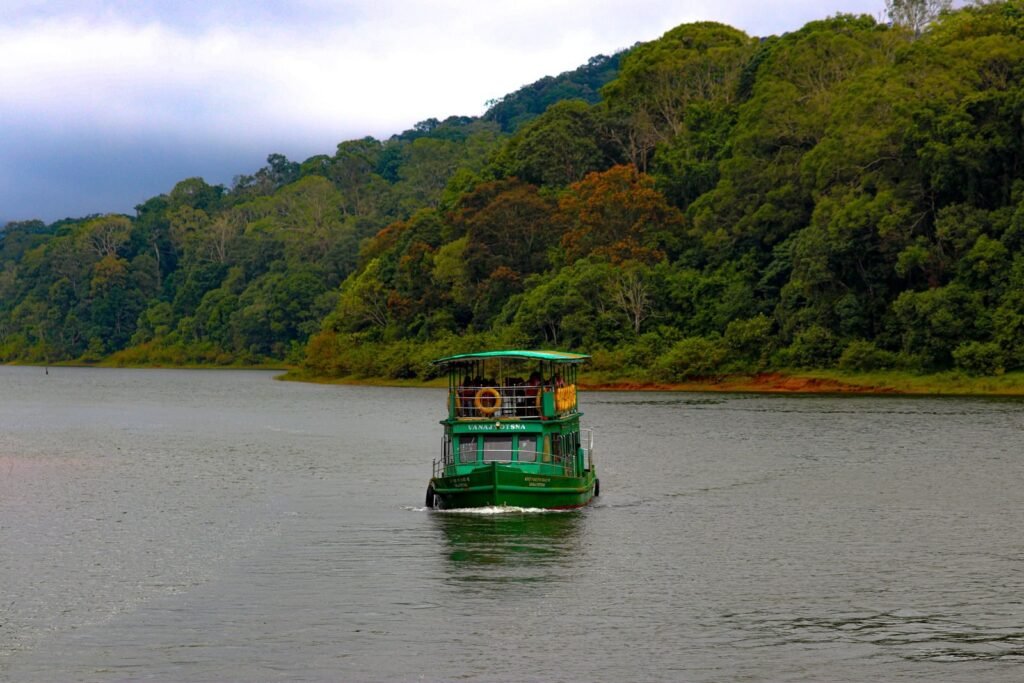
- Periyar Wildlife Sanctuary: Famous for boat safaris and elephant sightings.
- Silent Valley National Park: Pristine rainforests with rare flora and fauna.
- Wayanad Wildlife Sanctuary: Rich in endemic species.
Cultural Tourism: Dance, Music and Festivals
Kerala offers living cultural experiences: Kathakali, Mohiniyattam, Theyyam, Kalaripayattu (martial art) and temple festivals. The annual boat races—such as Nehru Trophy Boat Race—draw thousands.
Heritage Architecture and Religious Sites
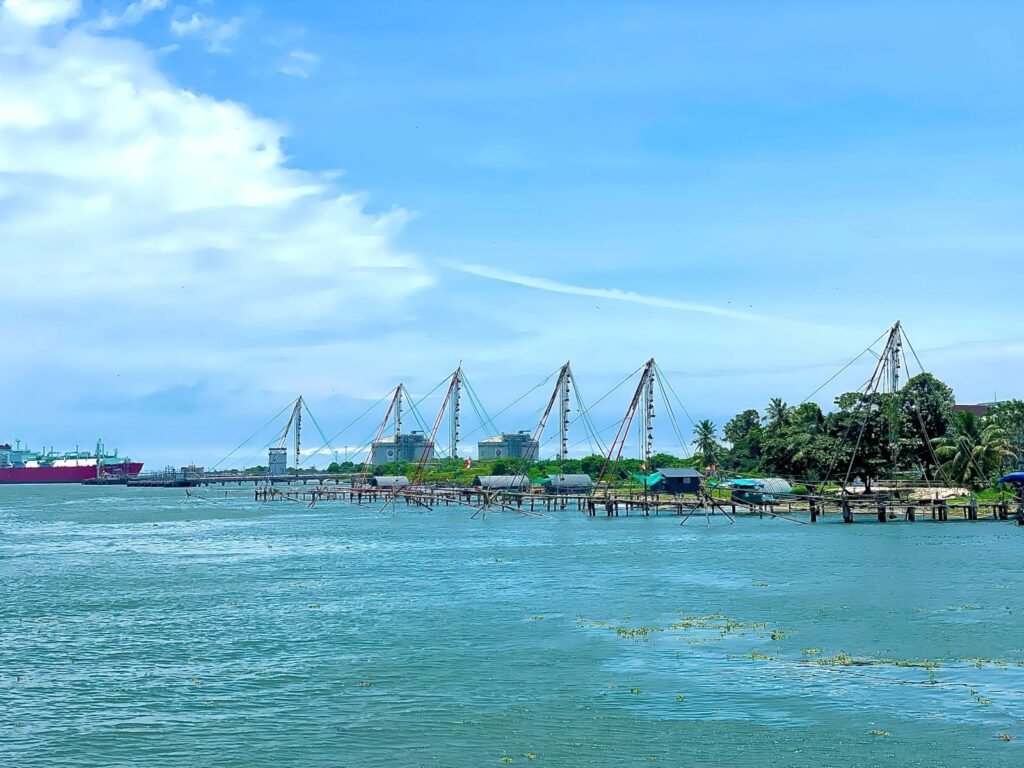
- Mattancherry and Fort Kochi: Colonial-era buildings, synagogues, and spice markets.
- Sabarimala, Guruvayur: Important Hindu pilgrimage centers with deep historical roots.
- St. Thomas Churches and Jewish Synagogues: Evidence of ancient religious communities.
Ayurveda and Wellness Tourism
Kerala is globally recognized for its traditional Ayurveda medicine, Panchakarma therapies and wellness resorts. Treatments emphasize herbal medicines, diet, massage and lifestyle—often integrated with scenic settings for a holistic experience.
Historical Sites that Attract Tourists
- Muziris Heritage Project: Attempts to reconstruct and interpret the ancient port’s archaeology and trade history.
- Bekal Fort: One of the largest coastal forts with views of Arabian Sea.
- Thirunelli and Temples of Travancore: Architectural and ritual traditions highlight regional history.
- Jewish Synagogue, Paradesi Synagogue (Kochi): Fine examples of long-standing multicultural heritage.
Tourism and the Economy: Connections to History
Tourism in Kerala is intertwined with its historical strengths: spice history, seafaring past, temples and colonial heritage. The centuries-long role as a global trading node laid foundations for hospitality, cosmopolitan ports and culinary diversity that tourists now explore.
Community and Responsible Tourism
Kerala has been a pioneer in community-based and responsible tourism models. Initiatives aim to:
- Empower local communities through homestays and small enterprises.
- Conserve ecosystems—especially the fragile backwaters and hill forests.
- Share cultural heritage in ways that respect local traditions.
Examples
- Responsible Tourism Mission (Kerala): Encourages local employment and minimizes environmental impact.
- Homestay networks: Offer immersive cultural encounters while distributing income locally.
Practical Tourism Information
Best Time to Visit
- October to March: Peak season—pleasant weather, ideal for most activities.
- June to September: Monsoon season—excellent for Ayurvedic treatments and lush scenery; many hill stations can be rainy and roads occasionally affected.
- April to May: Hotter months but good for festivals and off-season bargains.
How to Get There and Around
- By air: Major airports at Thiruvananthapuram, Kochi and Calicut (Kozhikode).
- By rail: Well-connected Indian Railways network; scenic routes to hill stations.
- By road: Good network of highways; private and state buses plus taxis are available.
- Local transport: Ferries, houseboats, auto-rickshaws, and app-based taxis.
Suggested Itineraries
- 7–10 days classic: Kochi (2 days) → Munnar (2–3 days) → Thekkady/Periyar (1–2 days) → Alleppey/Kumarakom (houseboat overnight) → Kovalam/Trivandrum (1–2 days).
- 10–14 days extended: Add Wayanad and Bekal for more wildlife, tea estates and heritage forts; include cultural stays in villages.
- Special interest: Ayurveda retreat (5–14 days) or a wildlife-focused trip (Periyar, Silent Valley, Wayanad).
Culture, Cuisine and Visitor Etiquette
Cuisine
Kerala cuisine is rich in rice, coconut, seafood and spices. Signature dishes include appam with stew, puttu with kadala (black chickpea curry), Kerala fish curry and a wide variety of vegetarian and non-vegetarian delicacies. For religious considerations, many temples and festivals follow traditional dietary customs—so visitors should be respectful.
Etiquette and Responsible Behavior
- Dress modestly: Especially when visiting temples or rural areas.
- Ask before photographing: Some rituals, performers or people may not want their photo taken.
- Respect local rituals: Follow rules at temples and places of worship—remove footwear where required.
- Minimize plastic and litter: Help preserve beaches, backwaters and hill forests.
Challenges and Sustainable Tourism
Kerala faces challenges from overtourism, environmental degradation (backwater pollution, coastal erosion), and strain on infrastructure. Sustainable tourism practices—limiting vehicle emissions, responsible waste management, community benefit-sharing and conservation-oriented policies—are vital for long-term viability.
Ongoing Initiatives
- Coastal and wetland conservation projects to protect mangroves and fisheries.
- Promotion of eco-friendly stays and certified Ayurveda clinics.
- Local capacity building: Training guides, homestay operators and small-scale entrepreneurs.
Key Takeaways
- Historical depth: Kerala’s significance as a spice-trade hub, its plural religious traditions and colonial encounters make it historically rich.
- Diverse tourism offerings: Backwaters, hill stations, wildlife, cultural performances, heritage architecture and Ayurveda provide varied experiences.
- Responsible tourism is central: Community-led and environmentally conscious models are essential to preserve Kerala’s landscapes and cultures.
- Practical planning: Choose seasons and destinations according to interests—wellness, culture, nature or beaches—and allow time to travel between hill and coastal zones.
Further Reading and Resources
For deeper study, consult archaeological reports on Muziris, scholarly works on Kerala’s social and political history, publications about the Western Ghats biodiversity, and Kerala Tourism’s official resources on responsible tourism and cultural events.
Final note
Kerala remains a compelling blend of history and lived culture, where ancient trade networks, ecological richness and contemporary social achievements combine to create memorable and meaningful travel experiences. Visitors who engage respectfully and sustainably will find Kerala both enlightening and restorative.